1536 x 1536 Spatial Light Modulator

Click image to enlarge.

Available By Quote Only

Key Features

  • High resolution
  • High speed High
  • Phase Stability
  • Pure analog phase control
  • High first order efficiency
  • High reflectivity
  • High power handling
  • On-board Memory
  • Wavelengths from 488-1650 nm

Meadowlark Optics’ Liquid Crystal on Silicon (LCoS) Spatial Light Modulators (SLMs) are uniquely designed for pure phase applications and incorporate analog data addressing with high refresh rates (1400 Hz). This combination provides users with the fastest response times with high phase stability. The 1024 x 1024 SLM is good for applications requiring high speed, high diffraction efficiency, low phase ripple and high-power lasers.

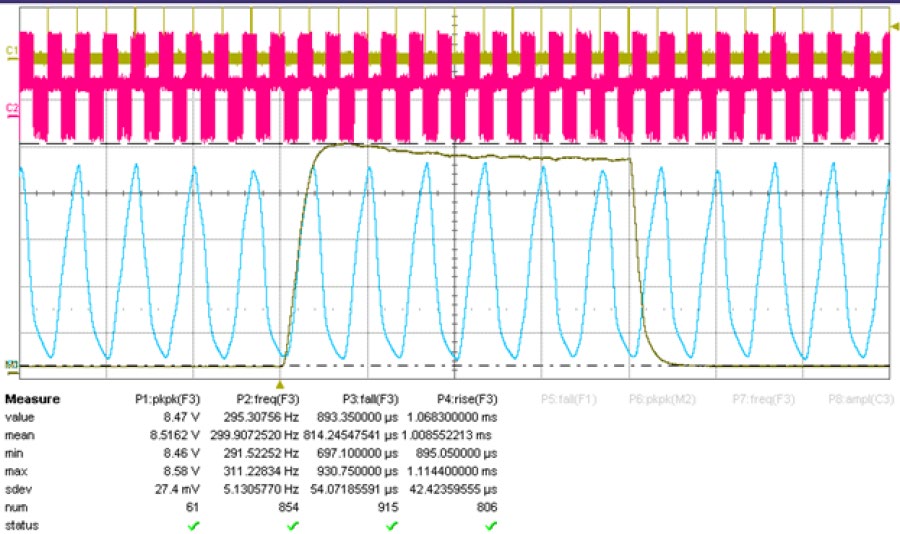
High Phase Stability – Making an LCOS SLM faster usually means the phase stability is worse. However, we’ve combined our traditional analog drive scheme with new proprietary technologies to suppress phase instabilities to 0.05% to 2.0% without compromising speed. Phase ripple is quantified by measuring the variation in intensity of the 1st order diffracted spot as compared to the mean intensity while writing a blazed phase grating to the SLM. Since phase stability varies as a function of pixel voltage, this measurement approach is an average and does not represent all scenarios. If your application requires extremely low phase ripple, please contact a Meadowlark Solutions Engineer for more information on the 19×12 SLM.

Common Specifications

Resolution: 1024 x 1024
Array Size: 17.40 x 17.40 mm
Pixel Pitch: 17 x 17 µm

Fill Factor: 97.20 %
0th Order Diffraction Efficiency: 75 – 87 %
0th Order Diffraction Efficiency: 92 – 98 % (dielectric mirror)

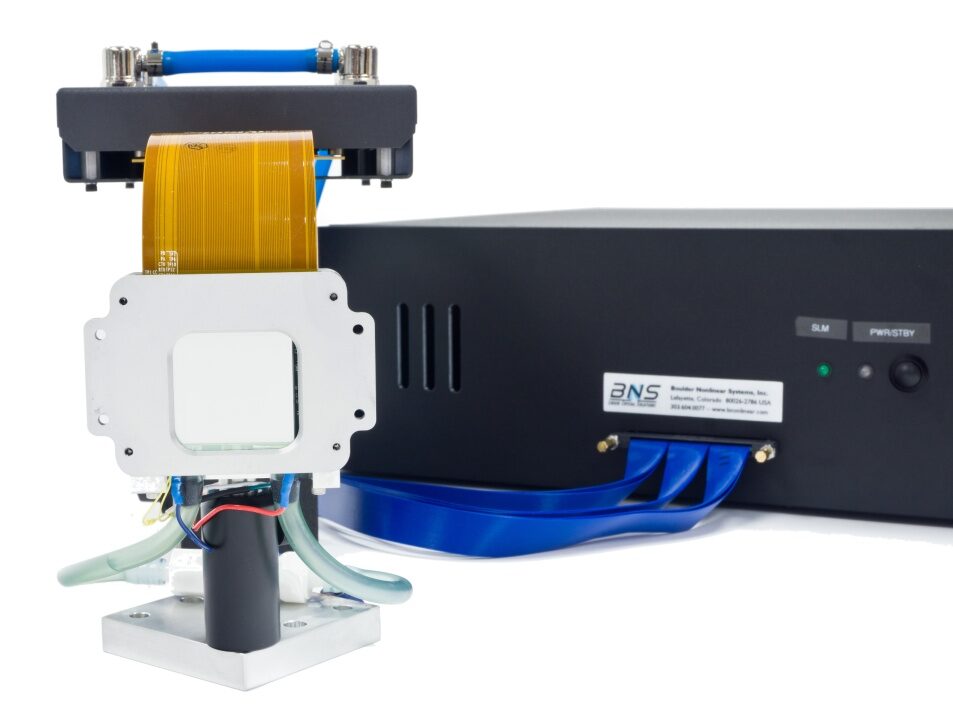
1536 x 1536 Spatial Light Modulator

High Speed with High Phase Stability – Great care was taken in the design of the 1536 x 1536 silicon backplane to enable high speed operation while simultaneously maximizing phase stability. The 1536 x 1536 SLM is incredibly fast with liquid crystal response times ranging from 0.6 to 8 ms (wavelength dependent) for a full wave of modulation. In our ultra-high speed model customers can control the temperature set point to find the perfect balance between switching speed and phase stability.

Common Specifications​

Resolution: 1024 x 1024
Array Size: 17.40 x 17.40 mm
Pixel Pitch: 17 x 17 µm

Fill Factor: 97.20 %
0th Order Diffraction Efficiency: 75 – 87 %
0th Order Diffraction Efficiency: 92 – 98 % (dielectric mirror)

Ordering Information – Contact Us or Request Quote Online

Standard Calibration Wavelengths

HIGH SPEED

Liquid Crystal Response Time

Calibrated Wavefront Distortion

AR Coating Range
488 – 850 nm

AR Coating Range
500 – 1200 nm

AR Coating Range
850 – 1650 nm

532 nm

≤ 1.0 ms

≤ 1.4 ms

λ/5

635 nm

≤ 1.3 ms

≤ 1.8 ms

λ/6

785 nm

≤ 1.8 ms

≤ 2.4 ms

λ/7

1064 nm

≤ 3.4 ms

≤ 6.0 ms

λ/10

1550 nm

≤ 9.0 ms

λ/12

Standard Calibration Wavelengths

ULTRA HIGH SPEED

 Liquid Crystal Response Time

Calibrated Wavefront Distortion

AR Coating Range
488 – 850 nm

AR Coating Range
500 – 1200 nm

AR Coating Range
850 – 1650 nm

532 nm

≤ 0.6 ms

≤ 0.7 ms

λ/5

635 nm

≤ 0.7 ms

≤ 0.9 ms

λ/6

785 nm

≤ 0.9 ms

≤ 1.2 ms

λ/7

1064 nm

≤ 1.7 ms

≤ 2.0 ms

λ/10

1550 nm

≤ 3.9 ms

λ/12

Filters Sort results
Reset Apply

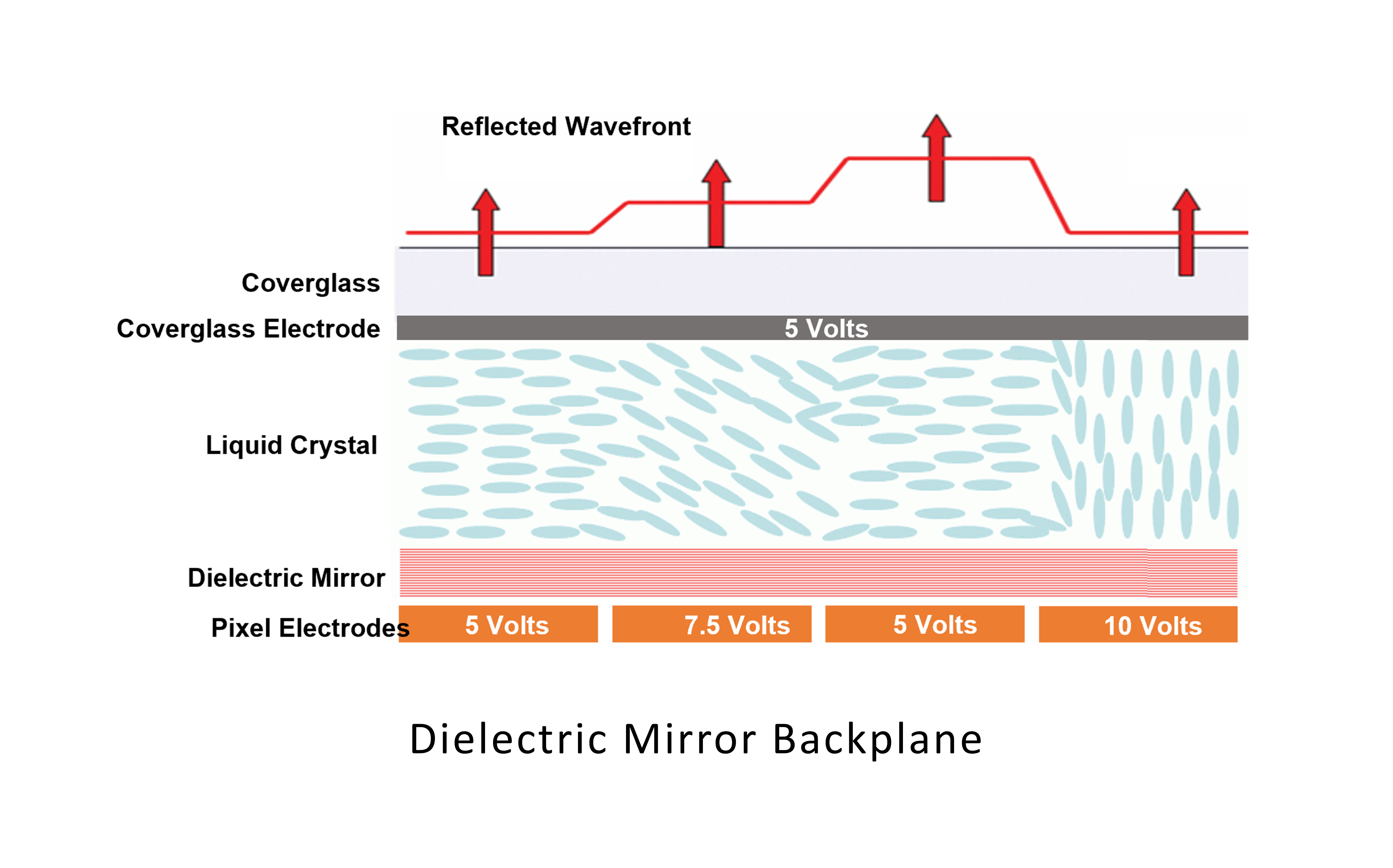
Spatial Light Modulator Operating Principles

DESCRIPTION

Meadowlark Optics specializes in precision polymer retarders for the visible to near-infrared region. Our Precision Retarders have the highest optical quality and tightest retardance tolerance of all polymer retarders. These true zero-order Precision Retarders consist of a birefringent polymer cemented between two precision polished, optically flat BK 7 windows. The retarder fast axis is conveniently marked for quick and easy reference. Precision Retarders are supplied with a broadband antireflection coating. Optical transmittance of a Precision Retarder is typically greater than 97%. The retardance δ at a wavelength λ that is different from the center wavelength λc is given by: δ ≈ δc(λc /λ) where δc is the retardance at λc.


This relationship is very important when using sources which vary in wavelength from their nominal value. The two graphs show the retardance behavior as a function of relative wavelength for a quarter and half‐wave retarder, respectively. The Mueller calculus can be used to calculate the transmitted polarization state based on the retardance differences from the ideal case.


Since polymer retarders are true zero‐order devices, they offer the significant advantage of improved angular performance. You can expect less than 1% retardance change over ±10°incidence angle.


Meadowlark Optics has developed precision ellipsometric techniques that can measure retardance to λ/1000. Our metrology for these measurements is the best in the industry. You can have absolute confidence that the calibration measurements supplied with your retarder are of the highest accuracy obtainable.

request a custom quote or get technical answers